
 Live Radio
Podcast
-
Ear to the Wild, Episode 15 - The Beginnings of Spring
-
Ear to the Wild, Episode 16 - Tomales Bay Geophony
-
Ear to the Wild, Episode 17 - Biophony: The Music of Life
-
Ear to the Wild, Episode 18 - Saving Steelhead
-
Ear to the Wild, Episode 19 - Listening for Biodiversity
-
Ear to the Wild, Episode 2 - Great Horned Owl
-
Ear to the Wild, Episode 20 - California Quail
-
Ear to the Wild, Episode 21 - European Starling
-
Ear to the Wild, Episode 22 - In Wildness is the Preservation of the World
-
Ear to the Wild, Episode 23 - The Great Animal Orchestra
-
Ear to the Wild, Episode 24 - Oak Titmouse Chicks
-
Ear to the Wild, Episode 25 - Wing Tapping Cicadas
-
Ear to the Wild, Episode 26 - Mountain Lion - Wild Relative and Teacher
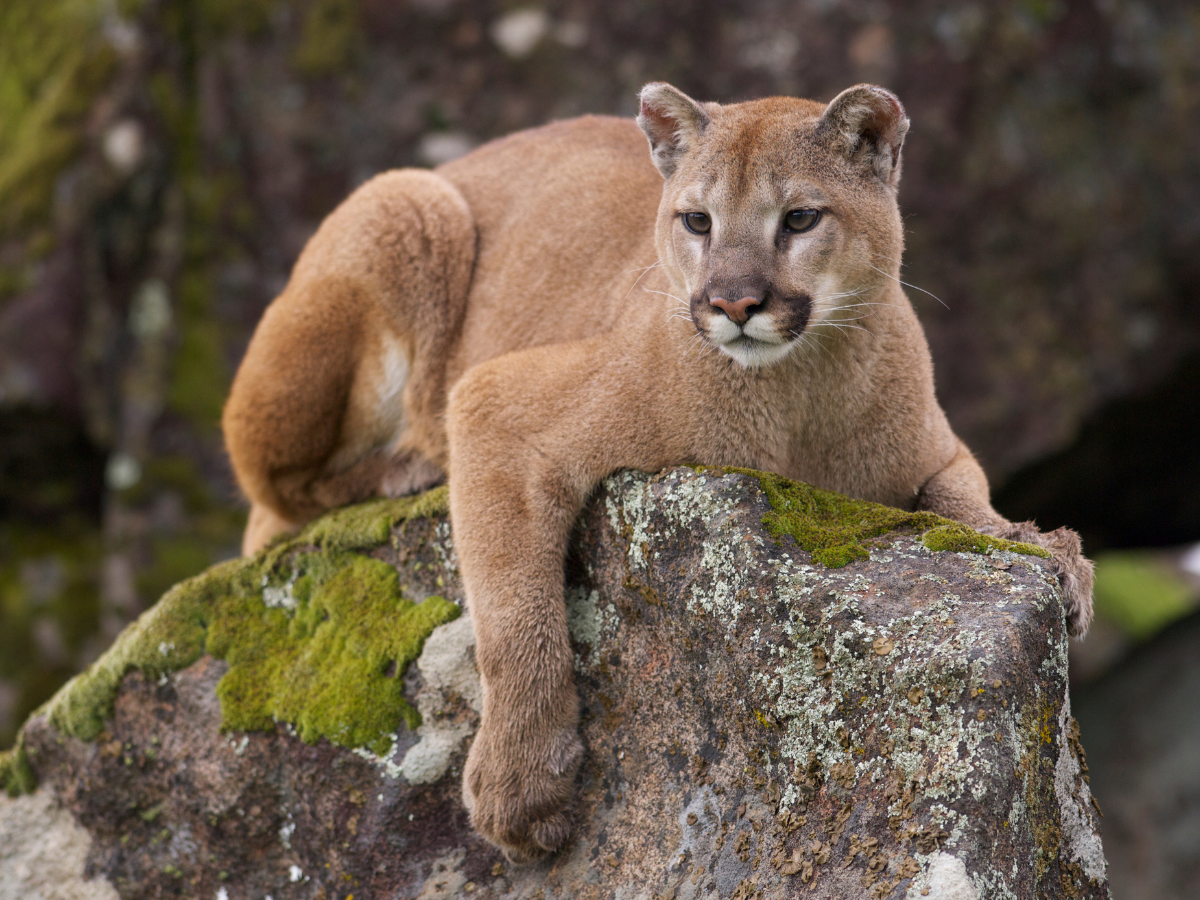 Ear to the Wild with Jack Hines brings you soundscapes with a rich auditory perspective on the sounds of nature in the North Bay Presented by KRCB.
 -
Ear to the Wild, Episode 27 - Brewer's Blackbirds on the Napa River
-
Ear to the Wild, Episode 28 - The Adaptable Coyote
-
Ear to the Wild, Episode 29 - Bodega Bay Foghorn and Surf
-
Ear to the Wild, Episode 3 - Chinook Salmon
-
Ear to the Wild, Episode 30 - Acorn Woodpeckers
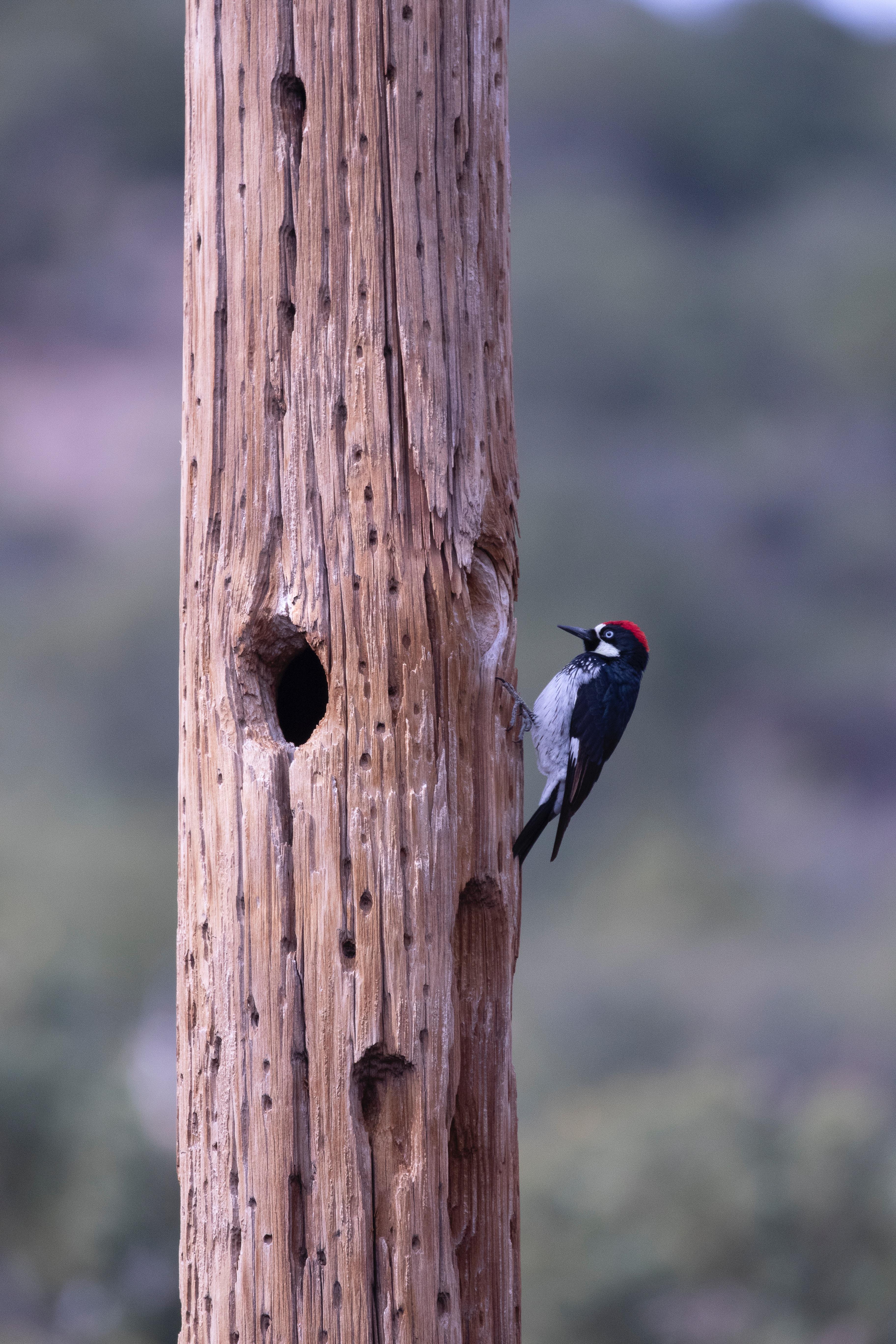 Hear the most recent installment of Ear to the Wild with Jack Hines.
 -
Ear to the Wild, Episode 31 - Hooded Orioles Near Sonoma
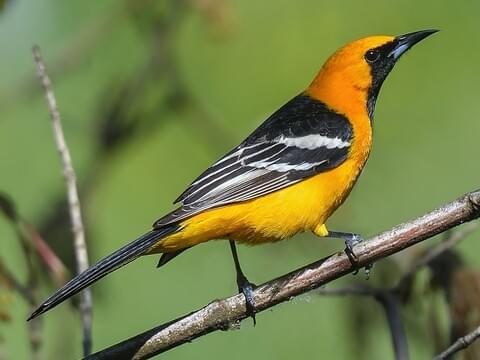 Ear to the Wild with Jack Hines brings you soundscapes with a rich auditory perspective on the sounds of nature in the North Bay Presented by KRCB.
 -
Ear to the Wild, Episode 37 - Wild Turkey Adults and Chicks (Aired: week of November 13, 2023)
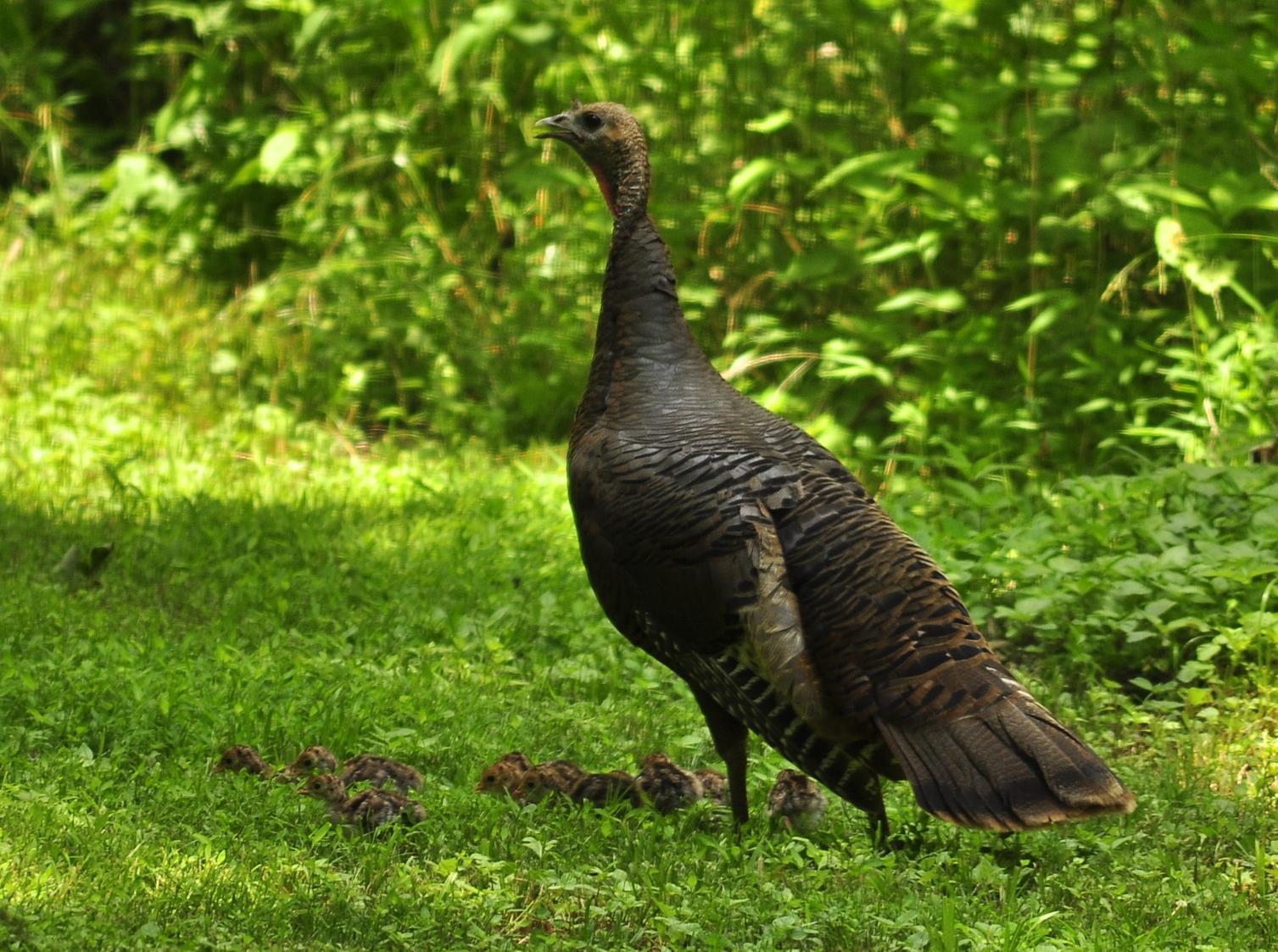
 Turkeys were introduced into California in the second half of last century as a trophy hunting bird.
 -
Ear to the Wild, Episode 38 - The Bishop Pine Forest of Tomales Bay (Aired: Week of November 27, 2023)
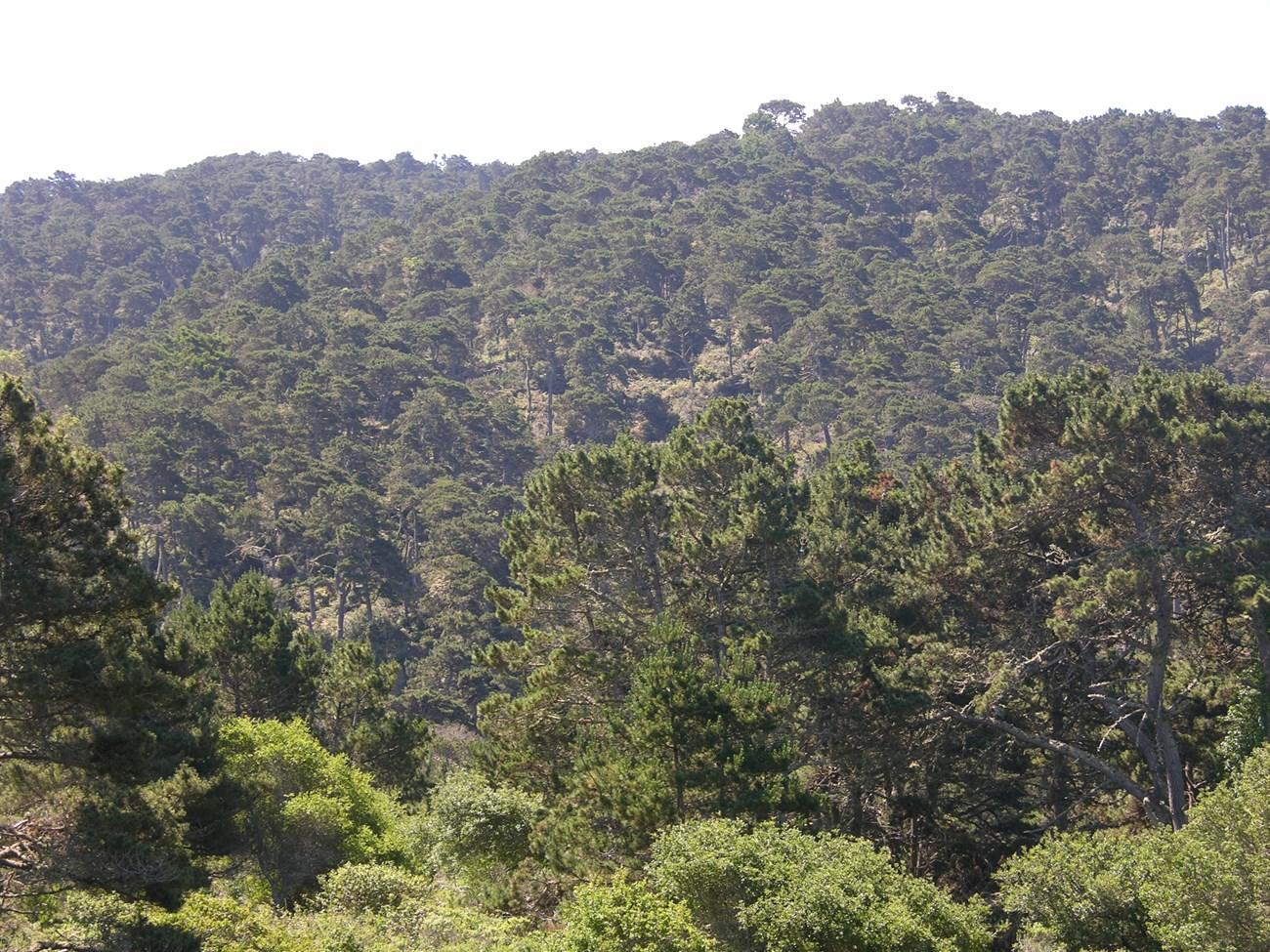
 Spend a minute in the Bishop Pine Forest near Tomales Bay on an October morning. How many birds can you pick out from the avian symphony?
 -
Ear to the Wild, Episode 39 - The Coming of Night at Lake Suttonfield (Aired: week of December 10, 2023)
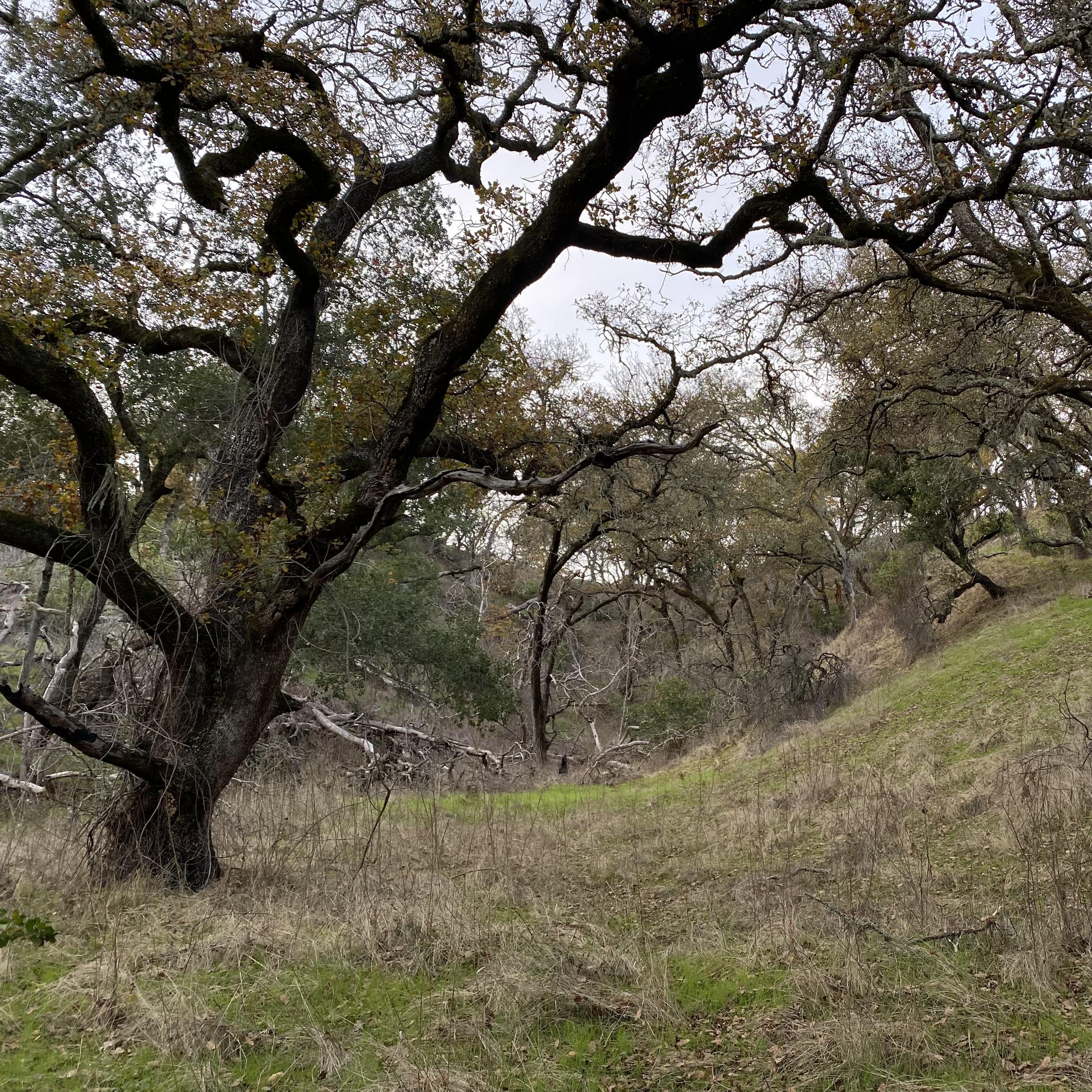
Daytime transitions into night along the shore of Lake Suttonfield, in the Valley of the Moon. Great-horned Owls, Acorn Woodpeckers, Crickets, and others tell the story of the coming of night.
-
Ear to the Wild, Episode 4 - Golden Crowned Sparrow
-
Ear to the Wild, Episode 40 - Rainfall in a Redwood Forest (Aired: Week of December 17, 2023)
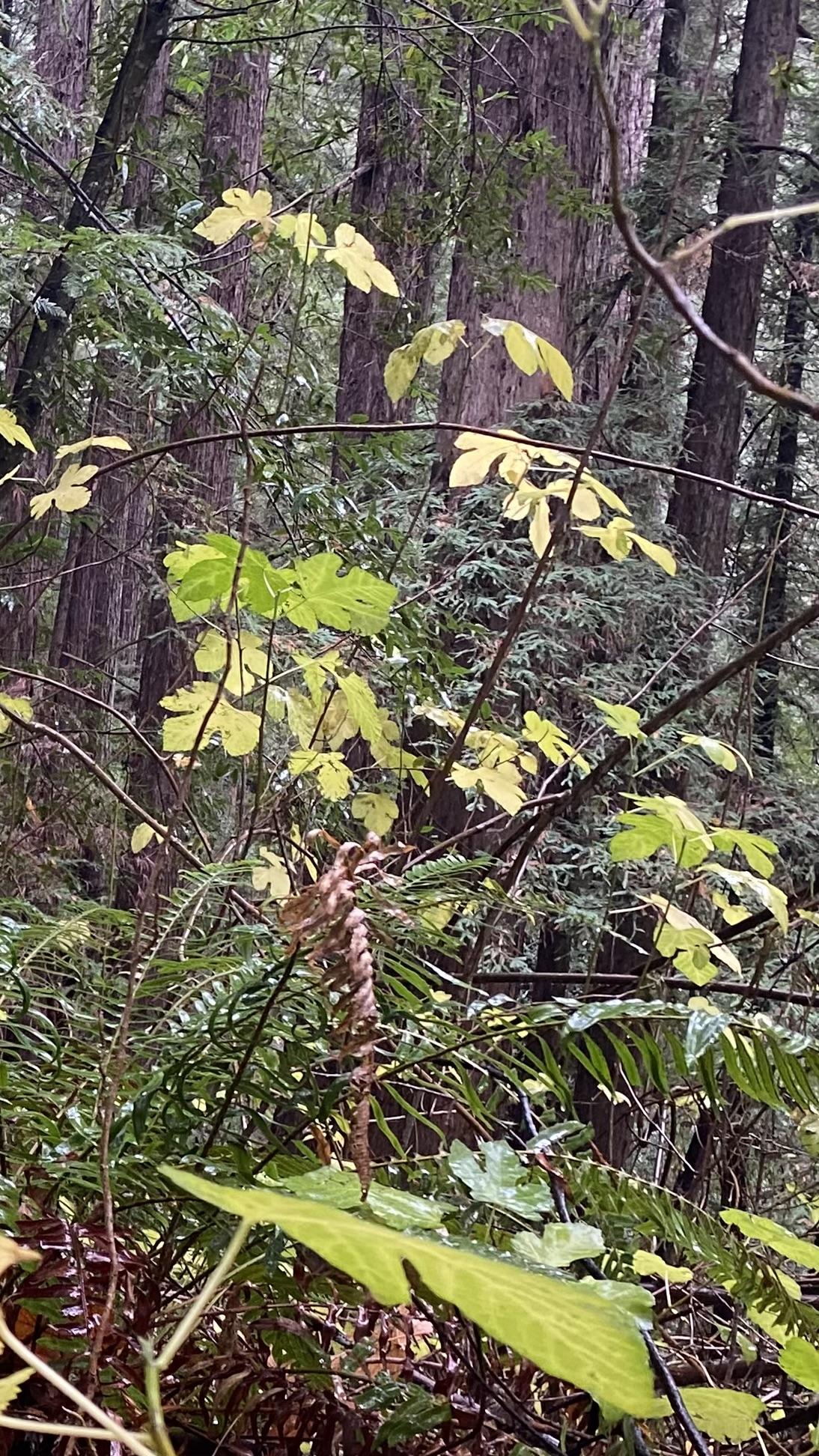
 There’s something special about being in a Redwood forest when it’s raining. Even a second growth Redwood forest, like here in Jack London State Historic Park, has its magic.
 -
Ear to the Wild, Episode 5 - Thunder
-
Ear to the Wild, Episode 6 - Pacific Tree Frogs
-
Ear to the Wild, Episode 7 - Stillness of Winter
-
Ear to the Wild, Episode 8 - Robins Feasting
-
Ear to the Wild, Episode 9 - Pacific Mole Crabs
-
Ear to the Wild, S2-01 - The Headwaters of Sonoma Creek in Winter
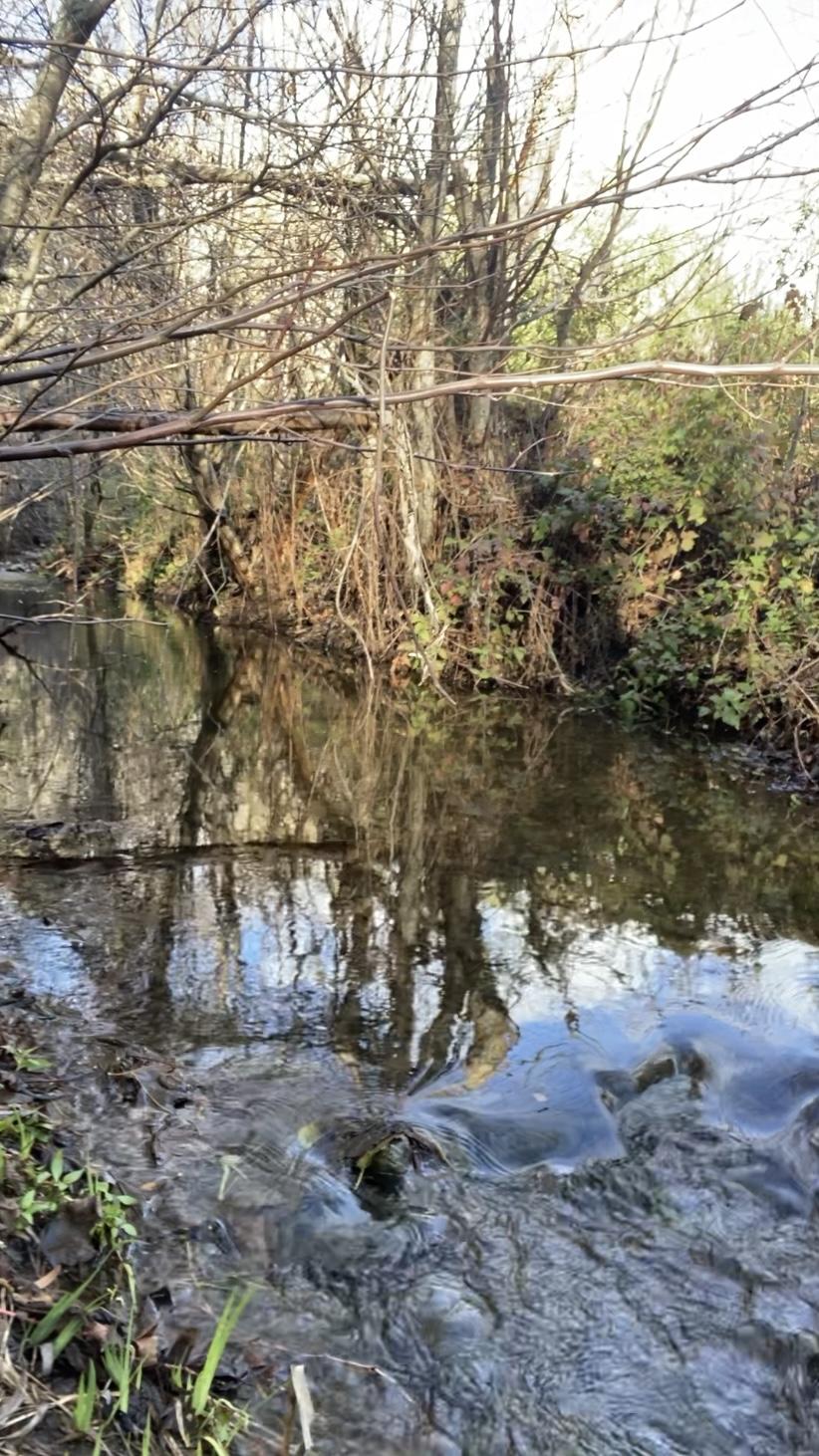
The headwaters of Sonoma Creek, in Sugarloaf Ridge State Park, is a place of many moods. In the Spring it’s alive with the sound of birds and insects. But now, in the winter, it's hushed, and subdued.
-
Ear to the Wild, S2-02 - The White-Breasted Nuthatch
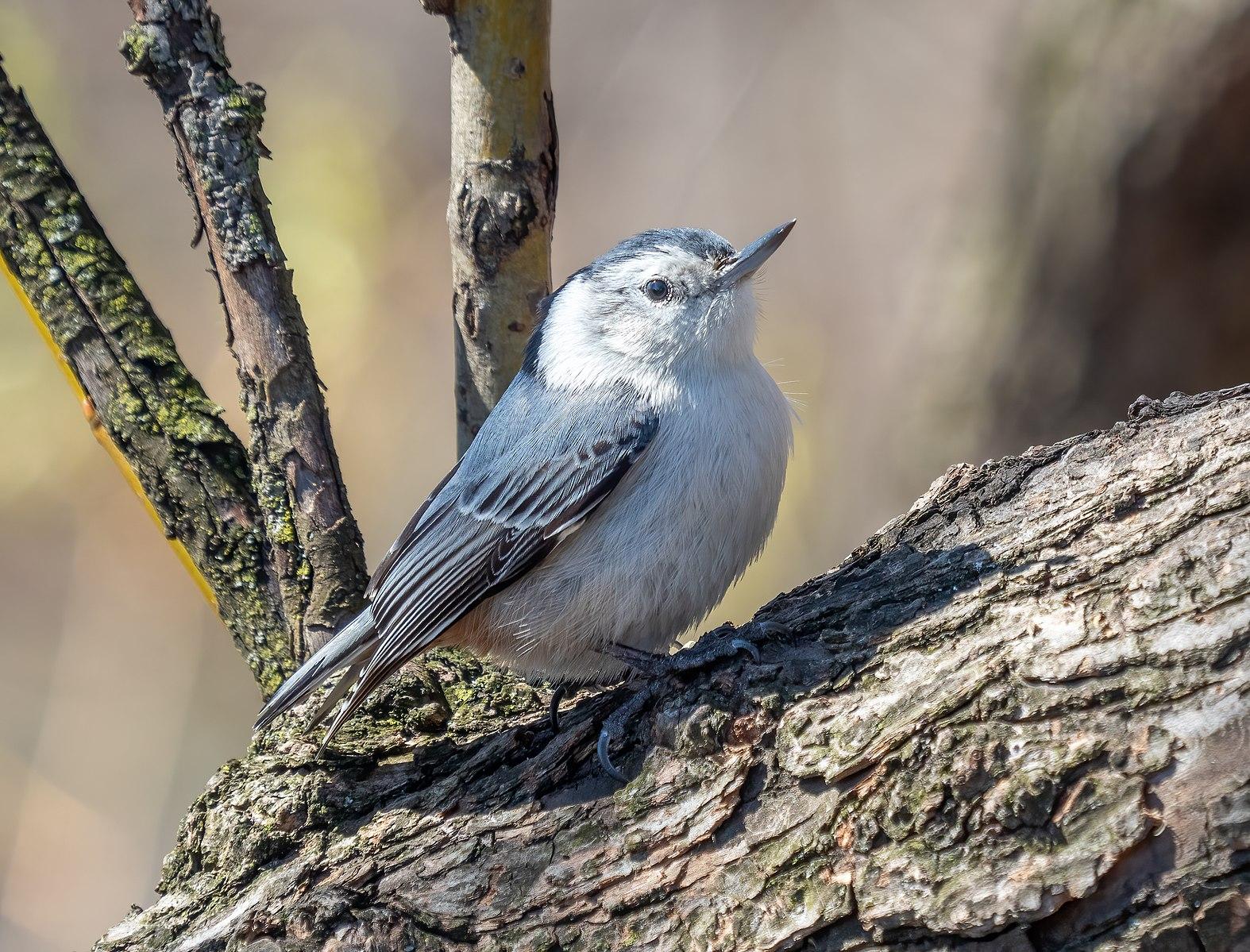
White-breasted Nuthatches get their name from the way they crack open seeds. They wedge the seed into a nook in the bark of a tree and tap at it with their beak until they hatch it open. Listen to this small flock of White-breasted nuthatches calling and tapping in the trees.
-
Ear to the Wild, S2-04: Restored Habitat at Denman Reach
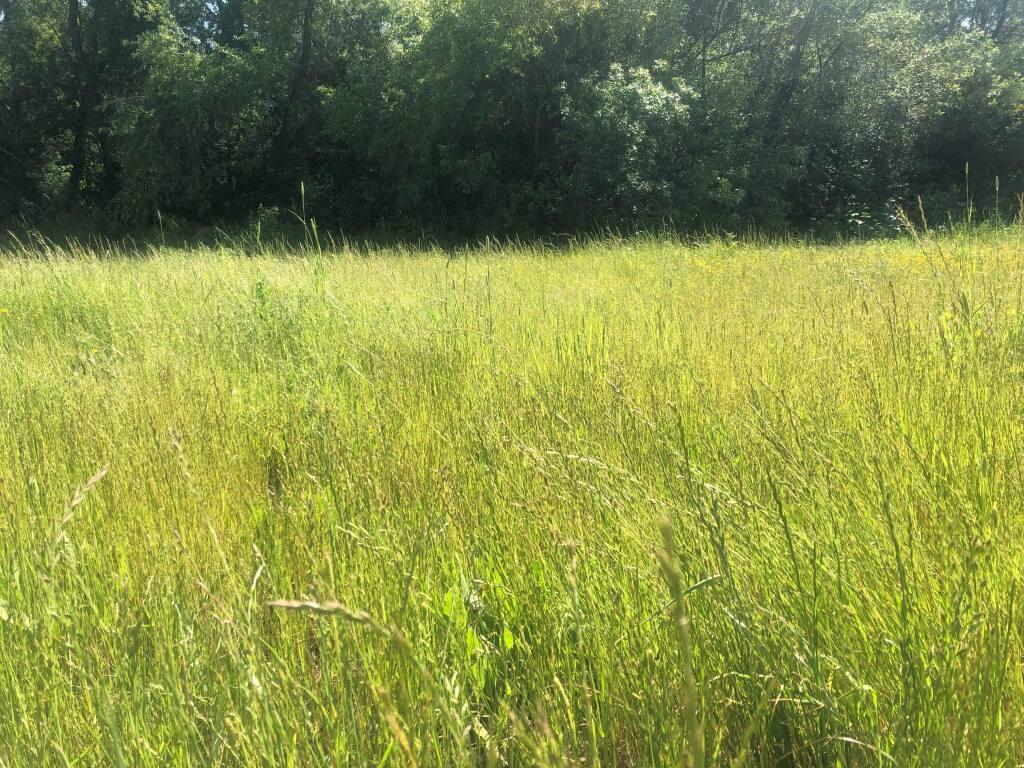
Many species of bird seem to be making good use of the restored riparian habitat along the Petaluma River, in the Denman Reach open space area.
-
Ear to the Wild, S2-05: Russian River Quietude, Part 1
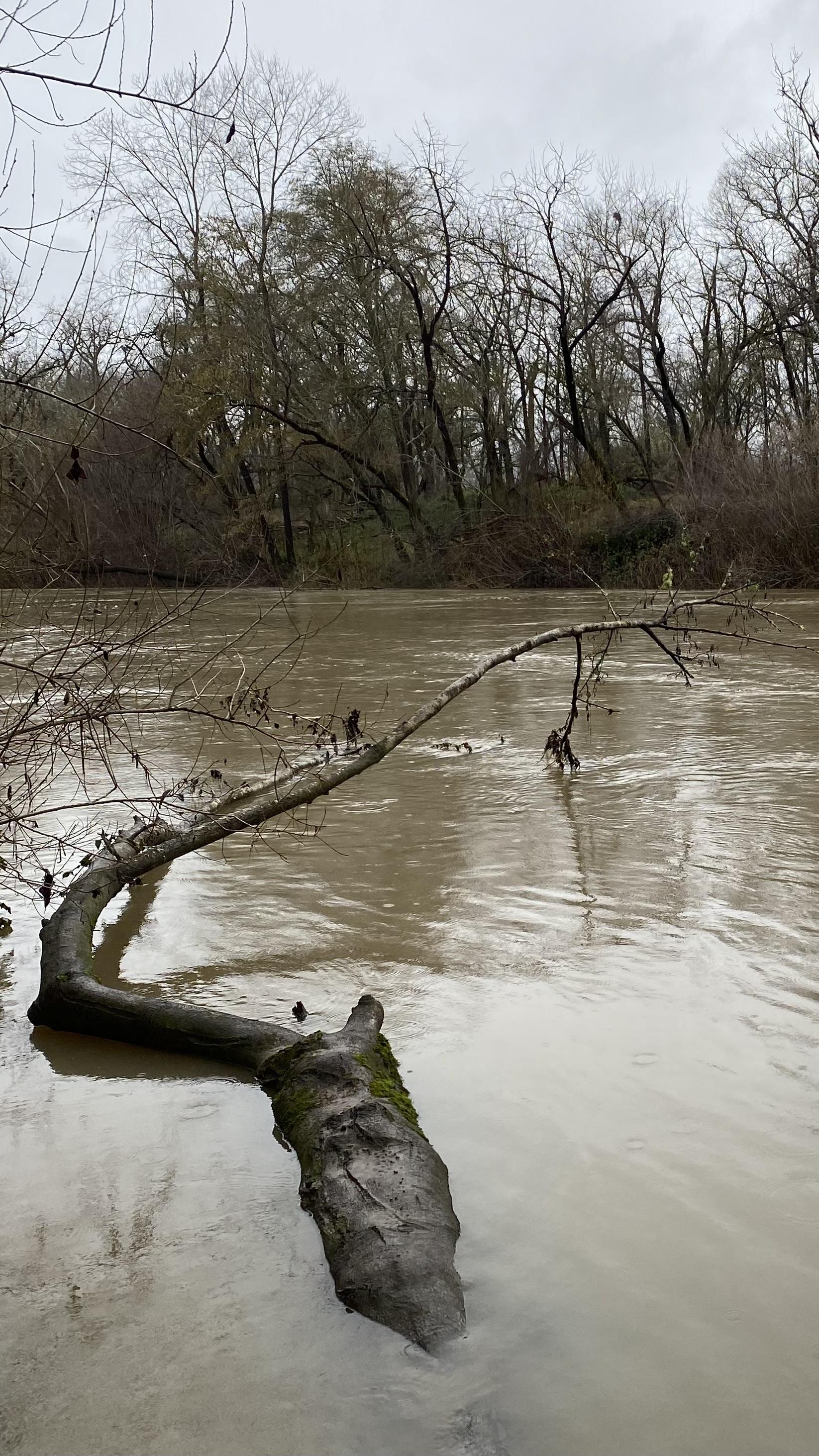
The real power of quietude is that it can speak so deeply to our hearts. Like in this moment on the Russian River, on a rainy winter’s day.
-
Ear to the Wild, S2-06: Red-winged Blackbirds at Ledson Marsh (Aired: Week of February 12, 2024)
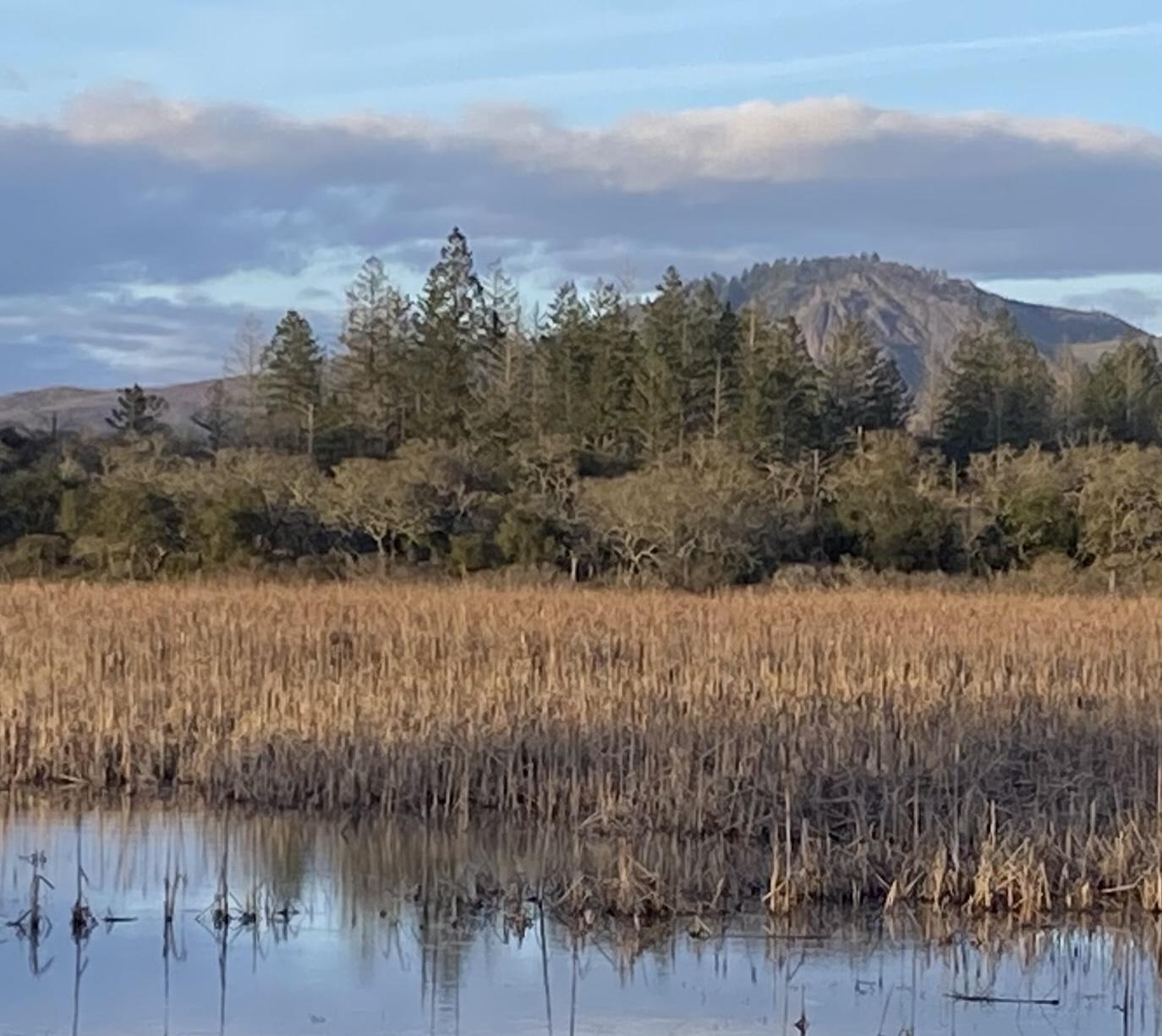
Red-winged Blackbirds have a strong and clear voice. Their songs and calls easily carry over water and across fields. The classic Red-winged Blackbird song sounds like they're singing "conk-la-ree, conk-la-ree."
-
Ear to the Wild: A Northern Mockingbird Singing His Heart Out
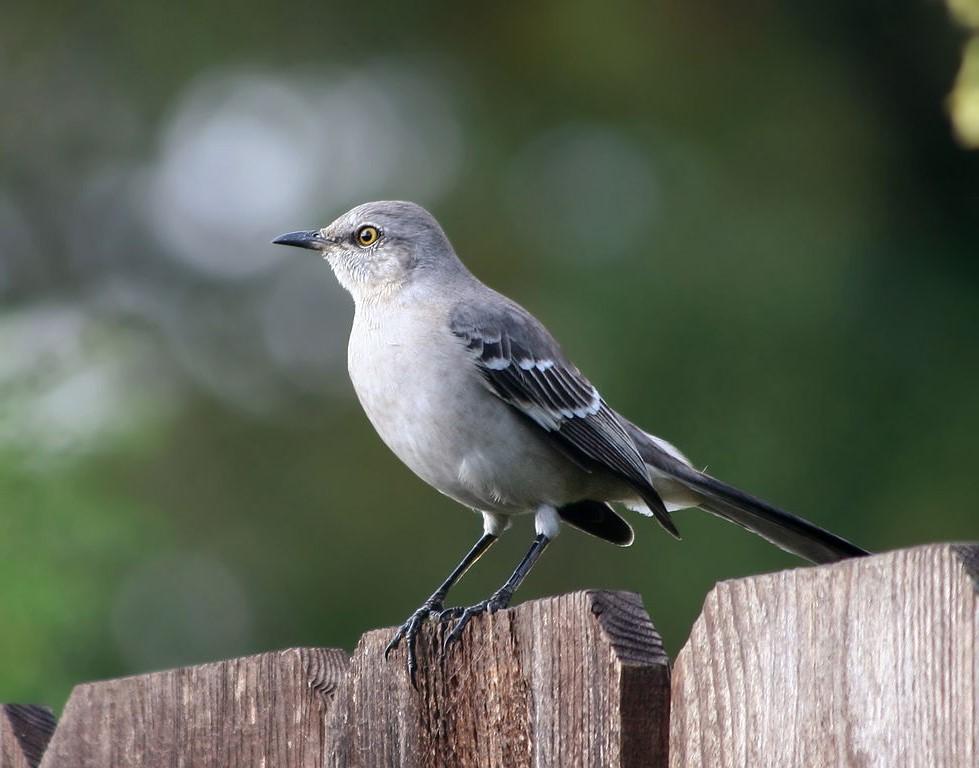 The Northern Mockingbird is an impressive singer! This species gets its name from how they mimic the songs of other birds. The more sounds the male is able to include in his song, the more likely he is to attract a female.
 -
Ear to the Wild: Black-tailed Deer Alarm Sounds
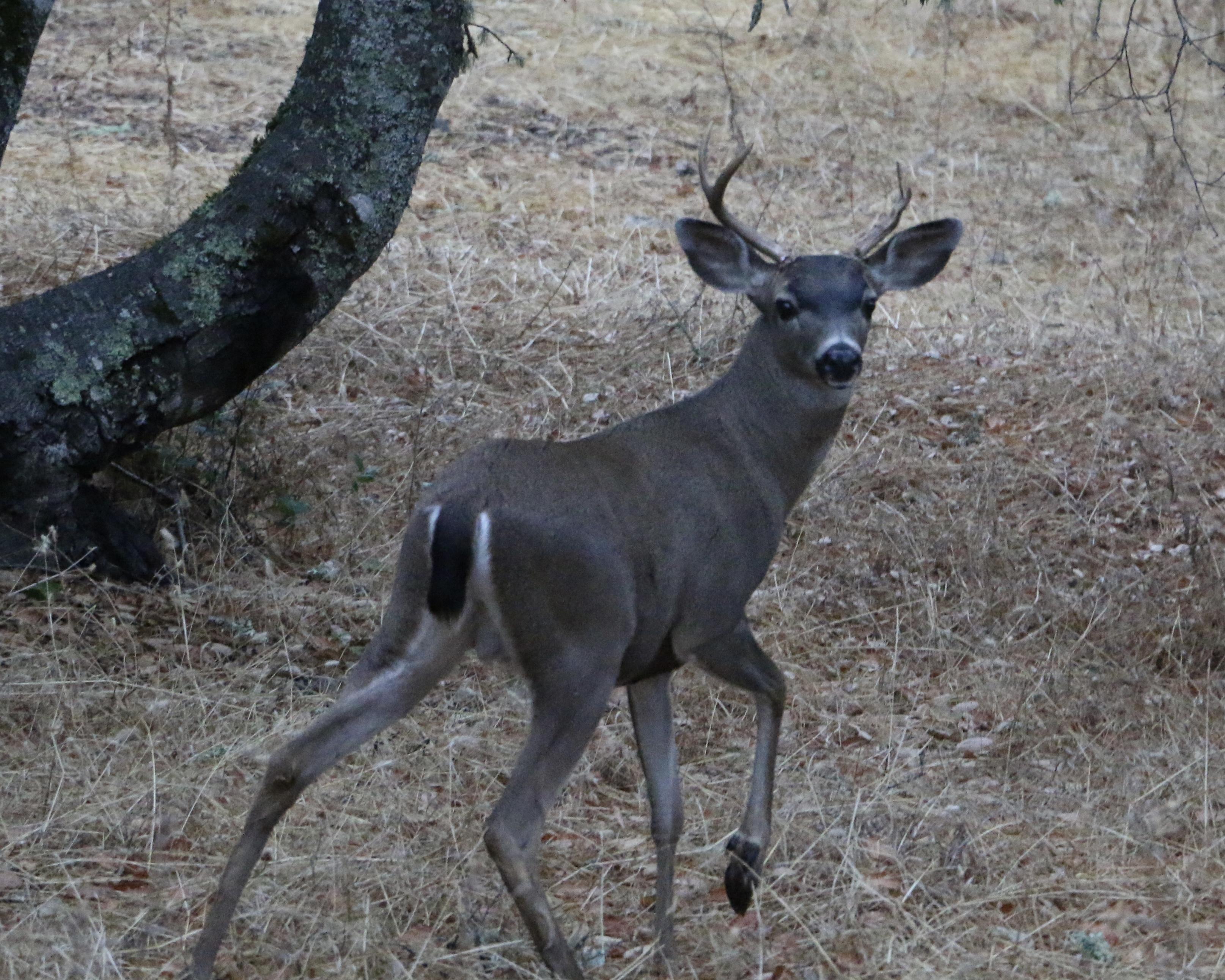

Deep down in their DNA Black-tailed Deer are wired to be on alert for predators. When a mountain lion or say, a bobcat is nearby, Black-tailed Deer will sound an alarm.
-
Ear to the Wild: Winter Solstice at London Lake
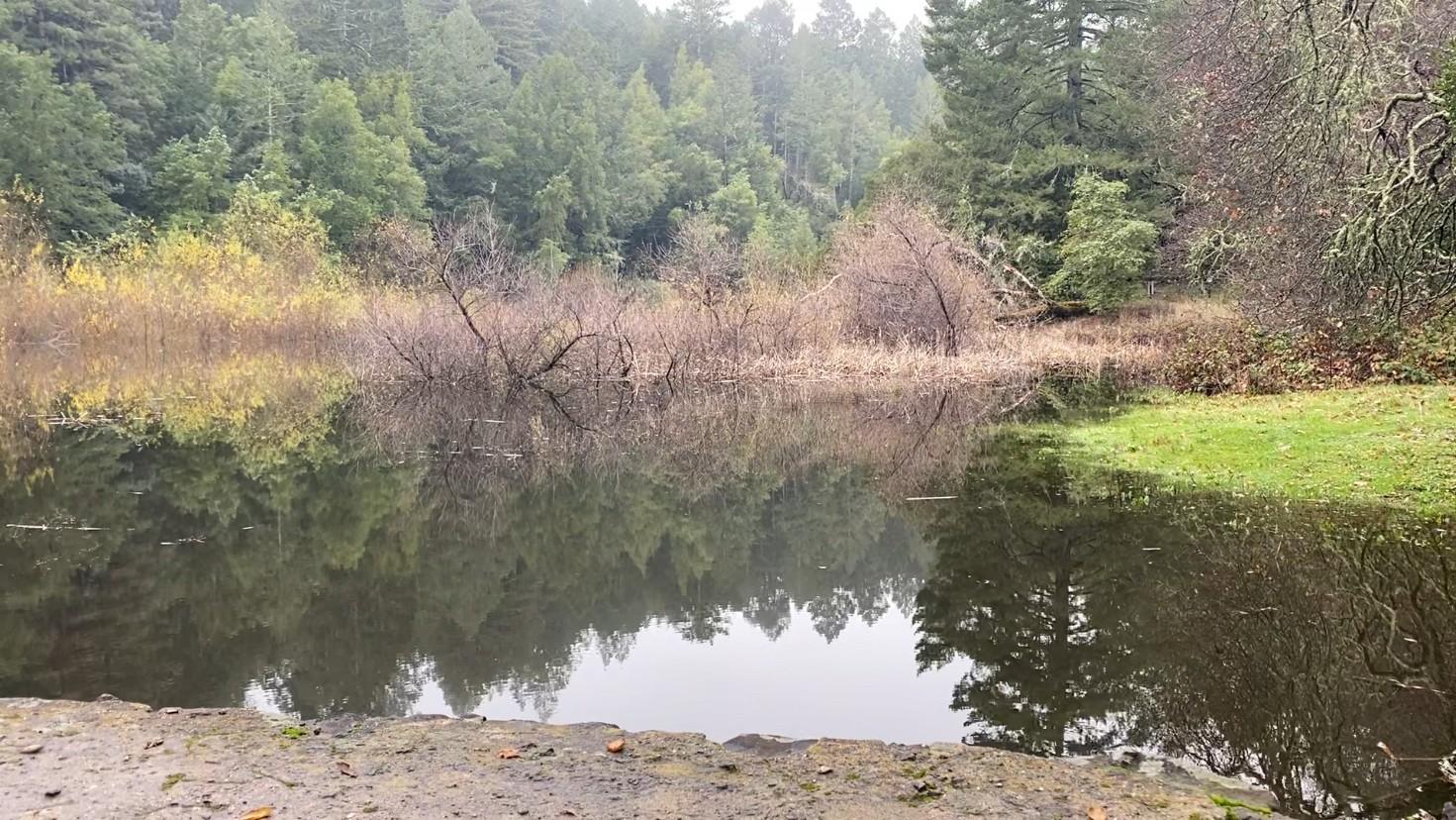 I’m up here at Jack London’s old property, at the London Lake. I thought we’d lend an ear to the Winter soundscape here. The lake is nice and full. We’ve been getting a lot of rain, and it’s overcast.
And it’s got that nice magical, misty quality. So, let’s give a listen to this solstice soundscape.
-
Ear to the Wild: A Bewick’s Wren at Bothe-Napa Valley State Park
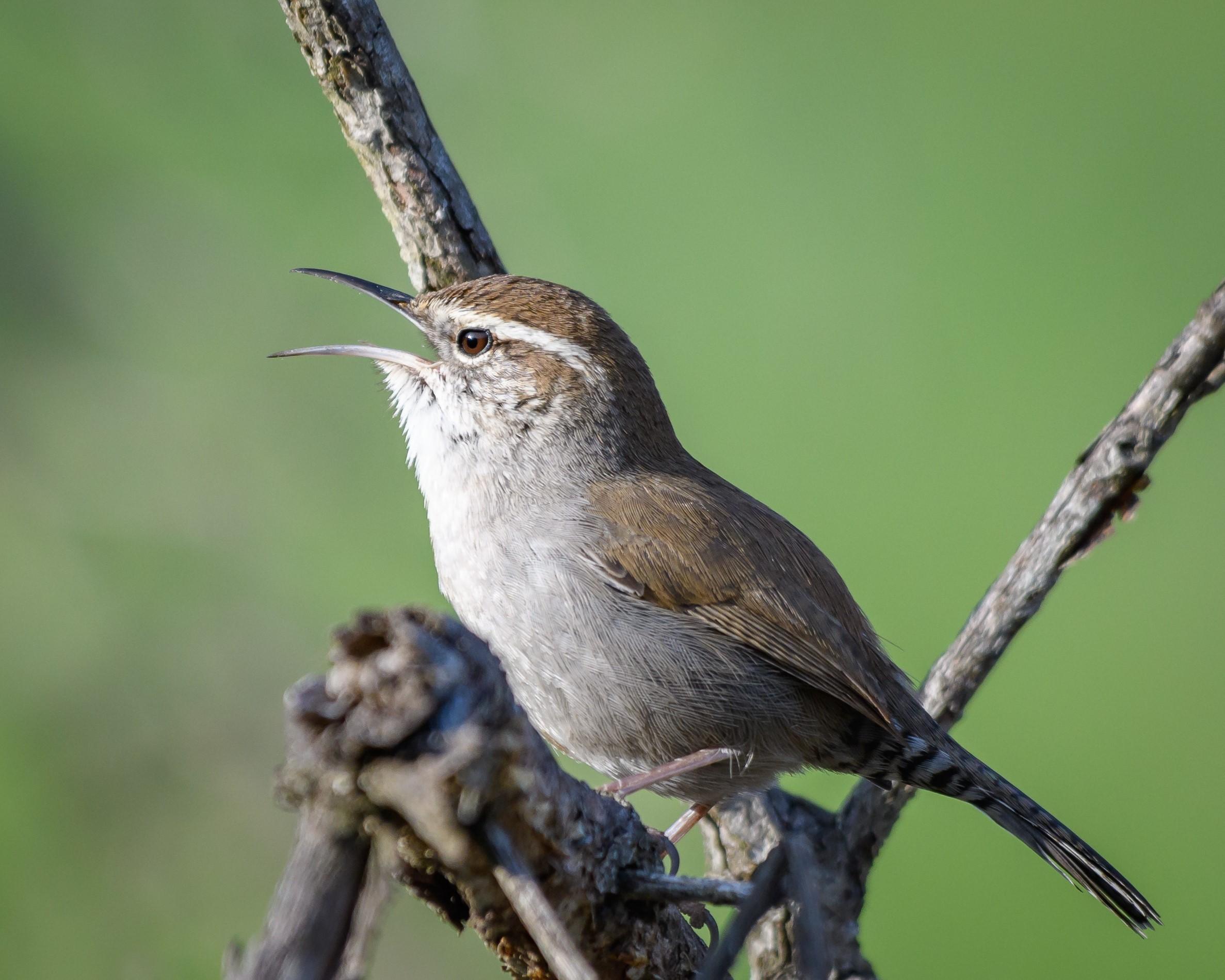
By the end of his second month the male Bewick's Wren has found his own unique Voice. This will be the song he sings for his entire life!
-
Ear to the Wild: A Juvenile Great-horned Owl
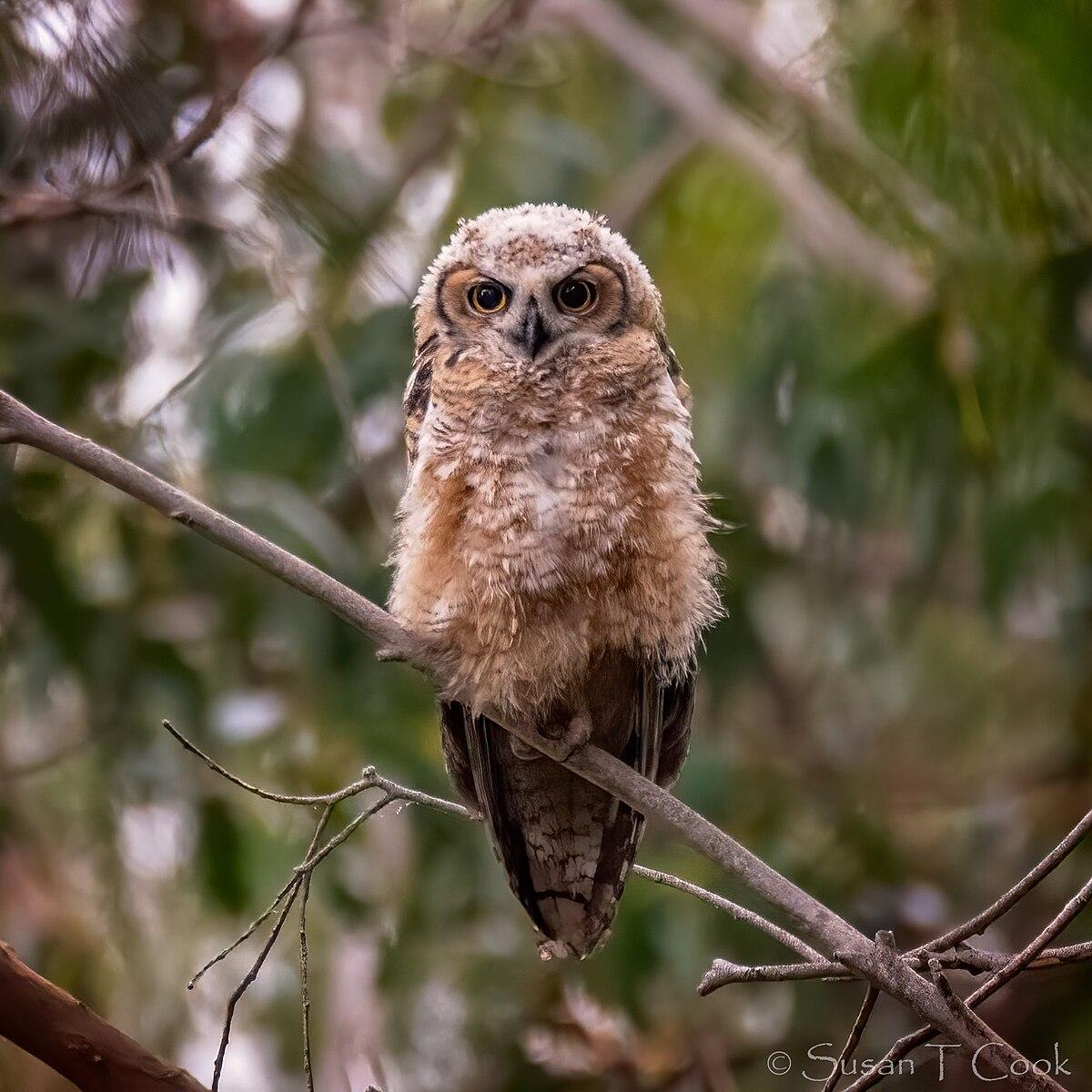 Juvenile Great-horned Owls beg for food from adults by making raspy sounding screeches. In the Fall they’re learning to hunt, but they still beg for food from the adults. In this recording their dialog ends with what sounds like the juvenile Great-horned Owl landing in a grassy field and catching something!
 -
Ear to the Wild: A Mourning Dove at Dusk
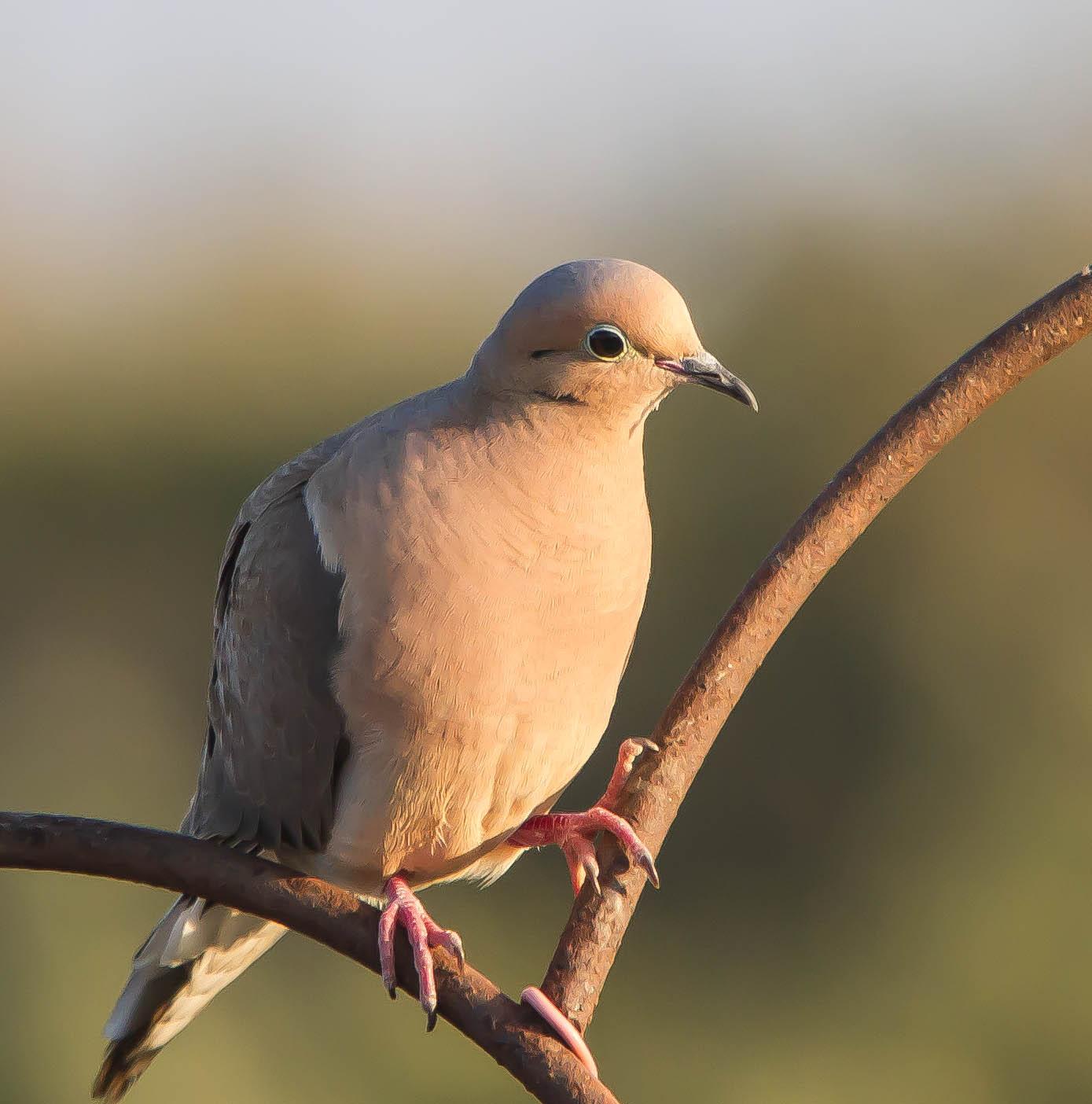
Mourning Doves get their name from the sound they make. People sometimes describe it as being sad, or mournful, so that's why naturalists have named them the Mourning Dove. Their gentle cooing always seems to add something special to the soundscape!
-
Ear to the Wild: Adult Female Elephant Seal Sounds
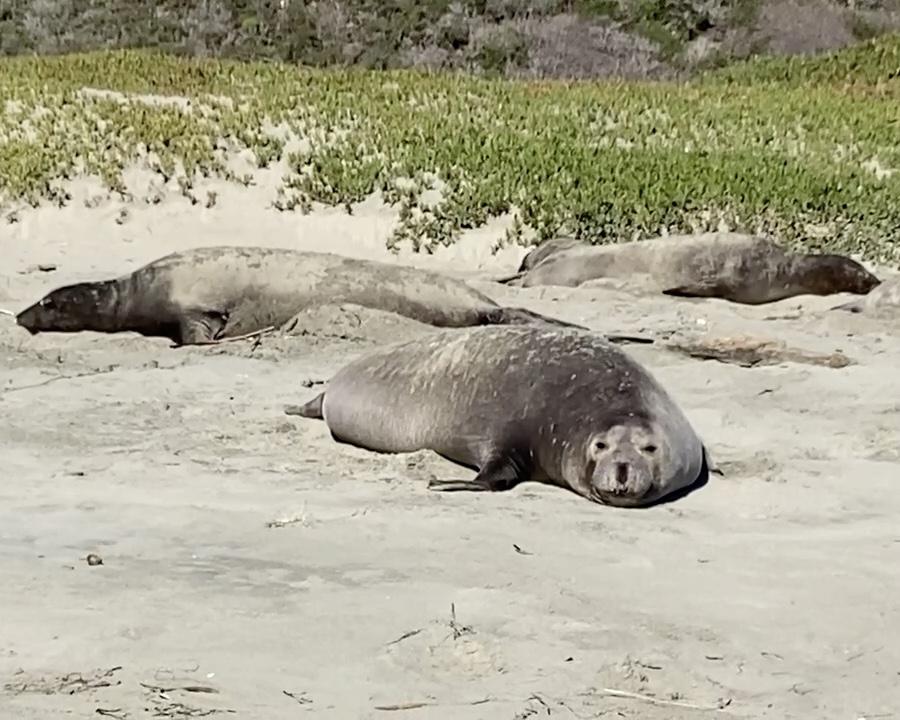 Adult female elephant seals make a number of different sounds. Marine Ecologist Sarah Codde says, “So, you can hear that softer sound she makes is to her pup… And then you can hear that different sound when she’s angry… It’s much deeper and has that, kind of, aggressive sound.”
Ear to the Wild: American Bullfrogs in Sonoma County
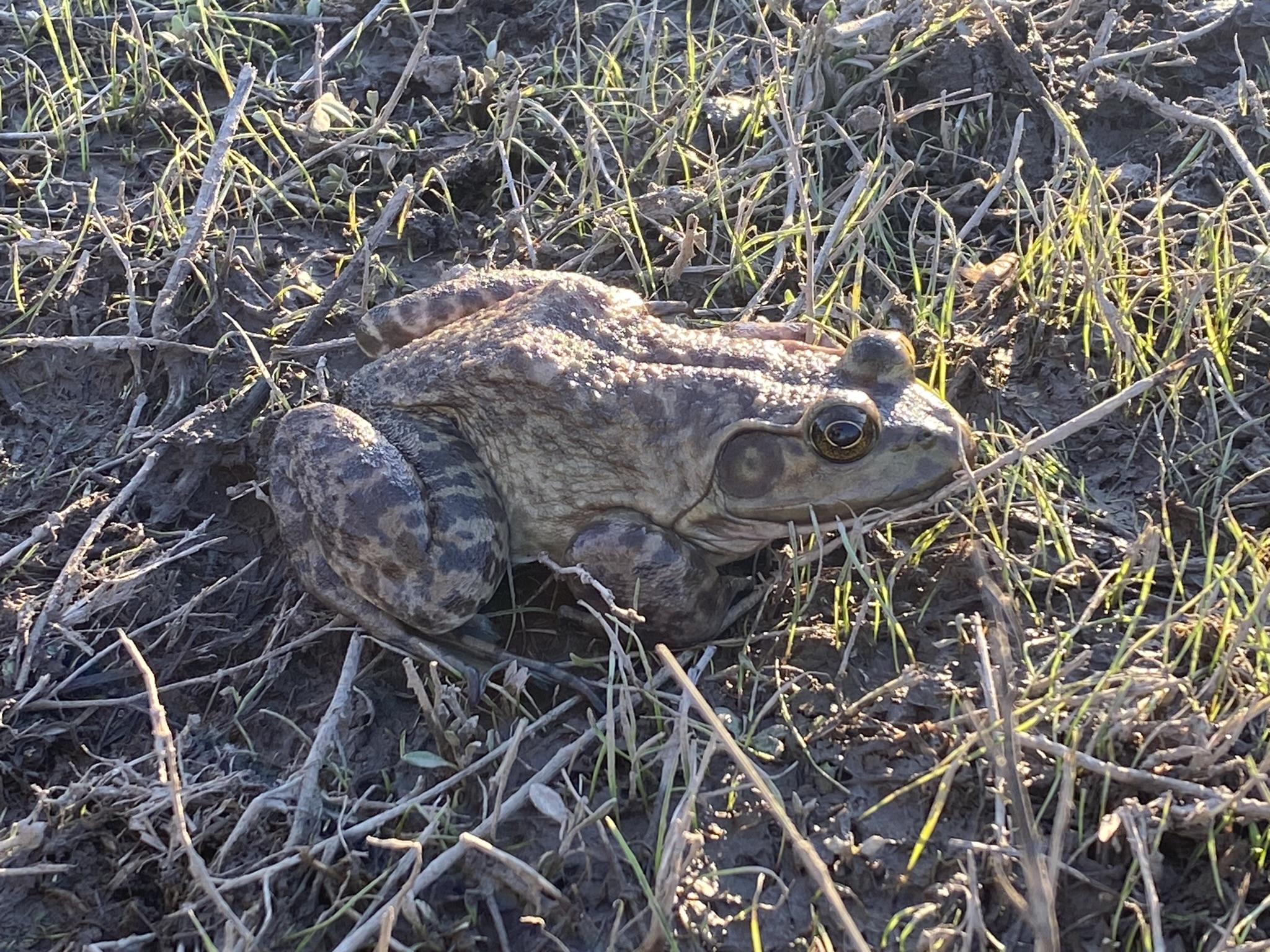 American Bullfrogs were brought to California from the eastern states because the native Red-legged frog had become so scarce. A hundred and twenty-five years later, the American Bullfrog has become a dominant voice in many California soundscapes. It’s a reminder that our actions can have a profound impact on entire ecosystems.
(Photo credit: Jack Hines)
Ear to the Wild: An American Bittern in the Mix
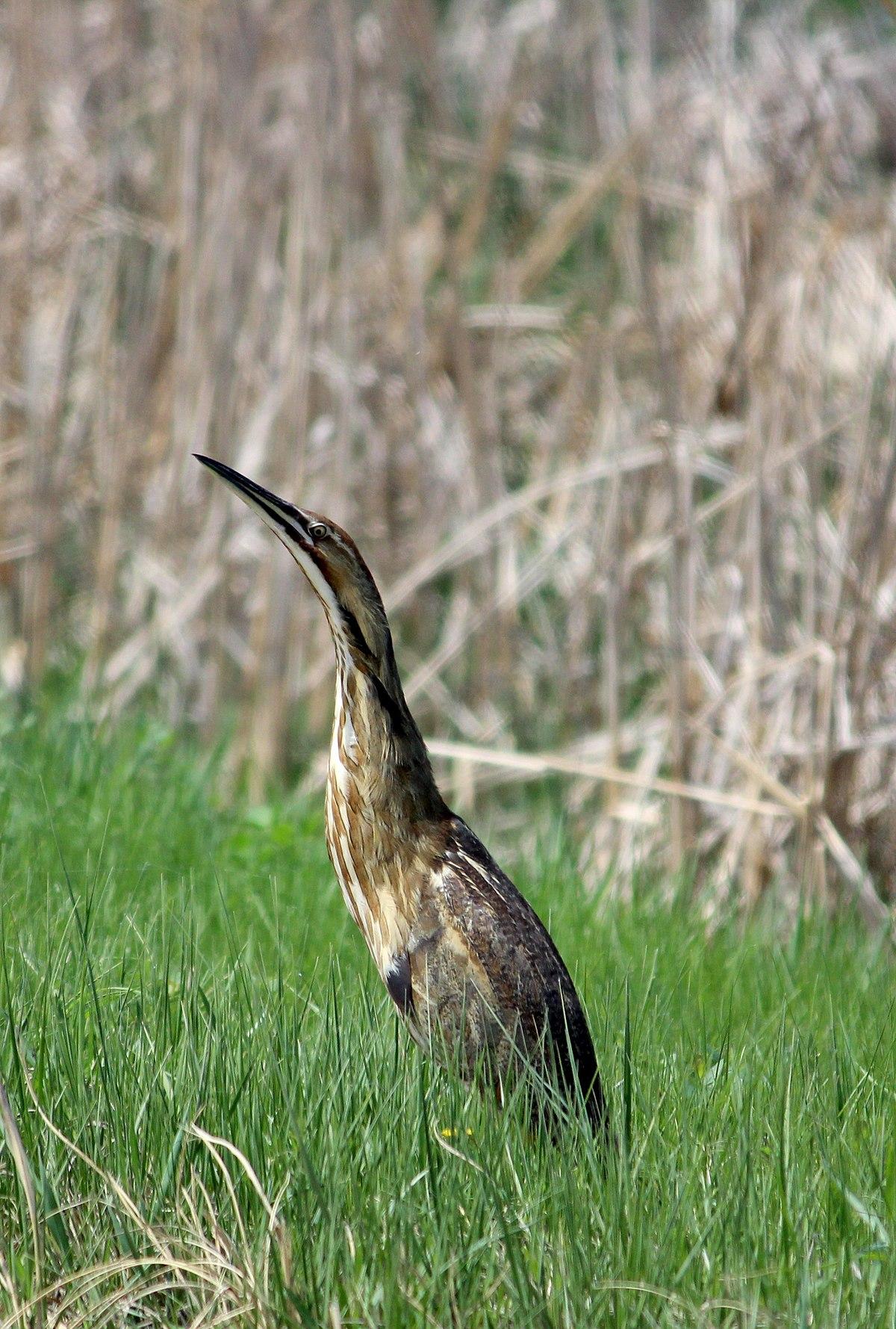 If you listen closely to this soundscape you’ll hear a low sound that sounds a little like “ker-plunk, ker-plunk...” That’s a species of bird called the American Bittern.
Ear to the Wild: An Orchestra of Crickets
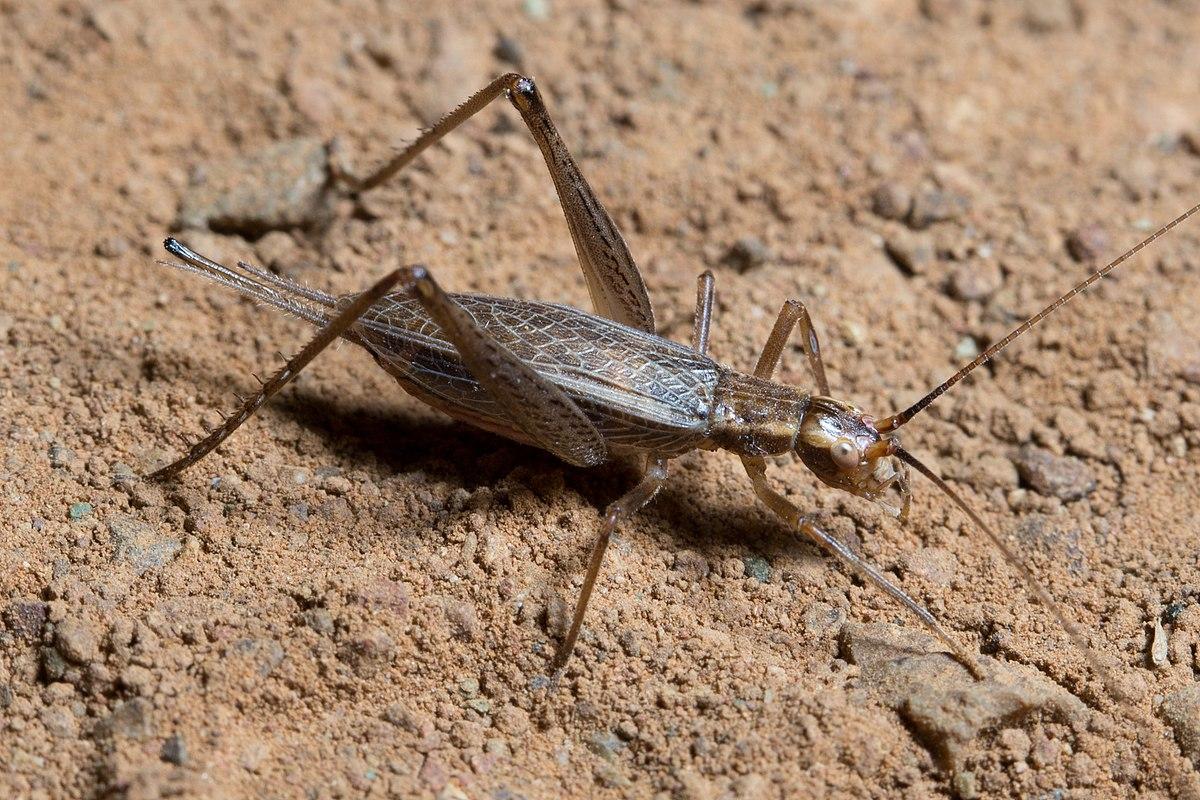 The sound of crickets all singing together is sometimes referred to as an orchestra. Late summer and fall is the time when the cricket Orchestras here in Sonoma County start to tune up and fill the night with their music!
Ear to the Wild: Ash-throated Flycatcher
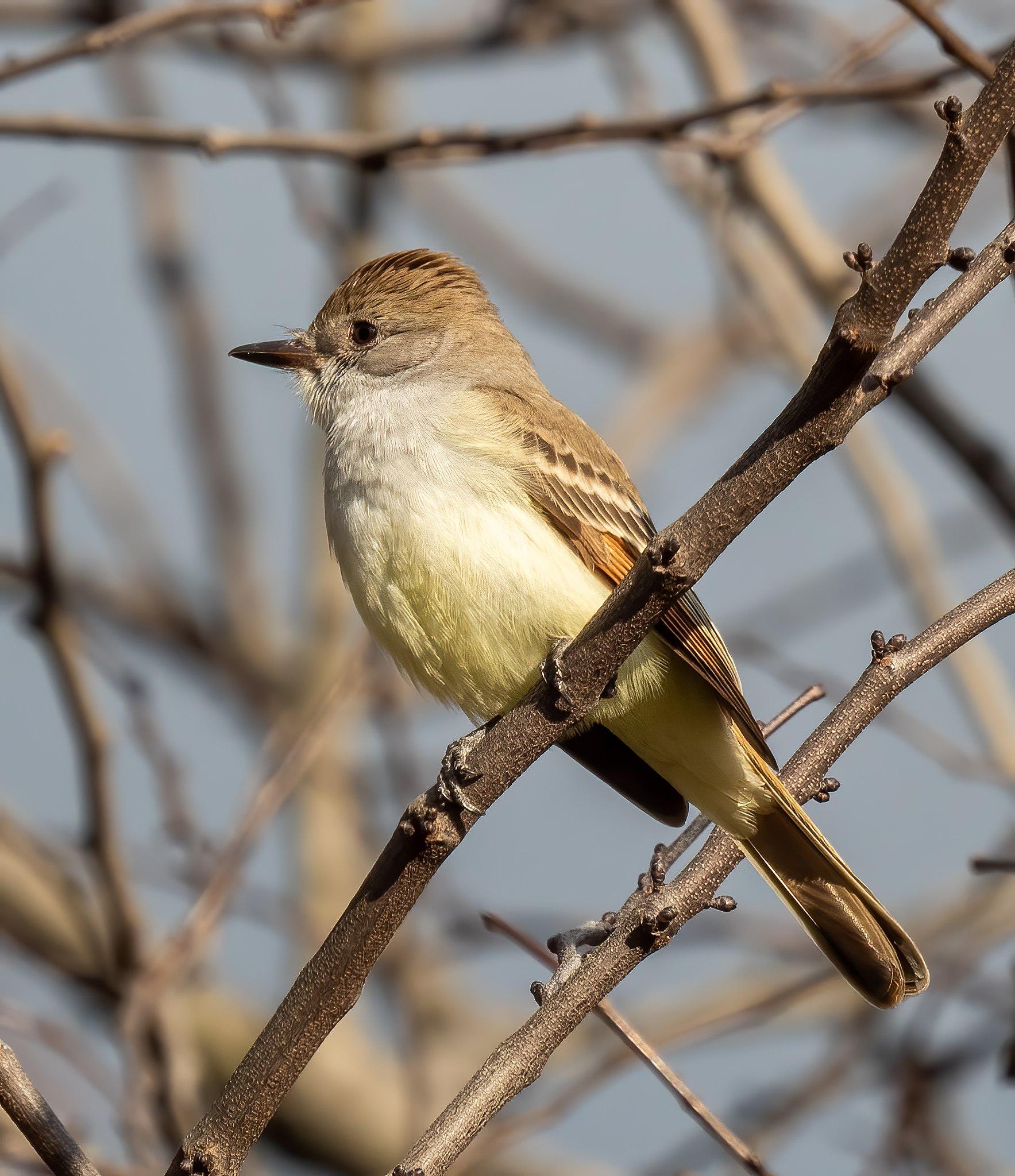
Every spring and summer the Ash-throated Flycatcher’s distinctive voice contributes to soundscapes across the West, from Texas to California. But by the end of August they take their music back to Mexico, and as far south as Central America.
Ear to the Wild: Black-bellied Plovers in Late September
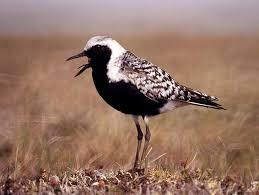 There’s a sound that echoes along the banks of the Petaluma River, near Shollenberger Park. It usually starts in late September. This is when Black-bellied Plovers return from their breeding grounds, as far north as the arctic. They call as they fly along the river’s edge. Their voices floating across the water to tell us that fall has arrived again.
 Ear to the Wild: Downy Woodpeckers and Chicks
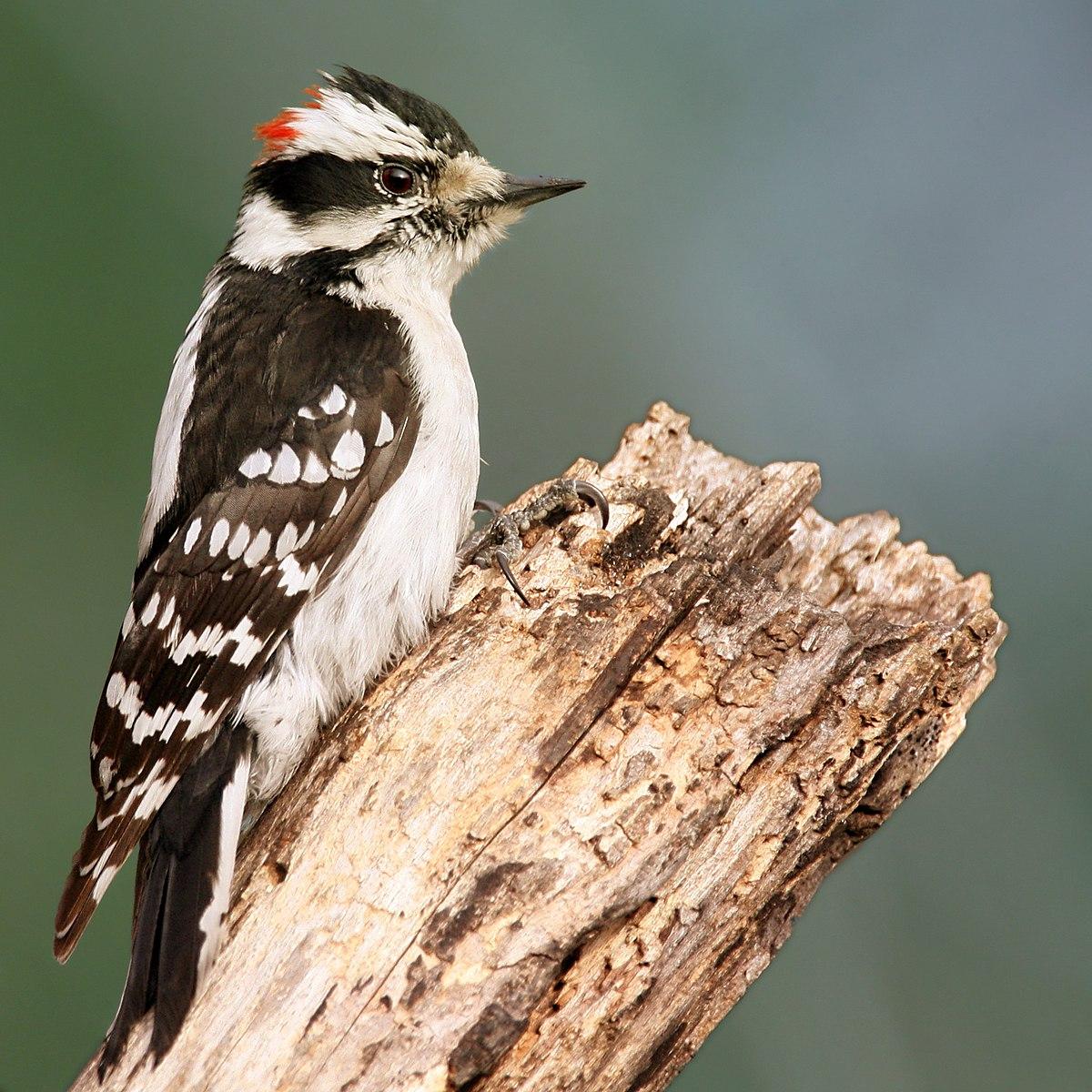 We’re back at the headwaters of Sonoma Creek, in Sugarloaf Ridge State Park listening to Downy Woodpecker chicks. We were last here in winter, and now it’s spring.
 Ear to the Wild: Elephant Seal Pups at Drakes Beach
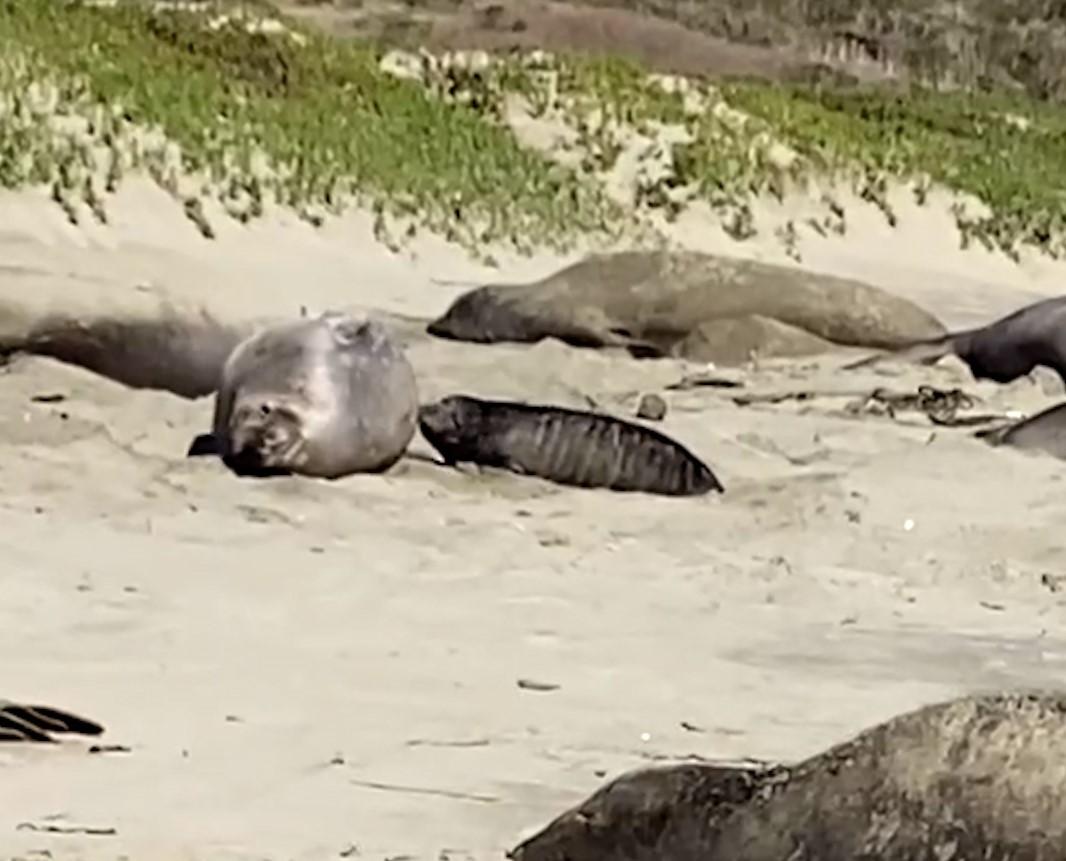 In winter Elephant seals gather on Drake’s Beach, at Point Reyes National Seashore. Females give birth to pups and nurse them during this time. Elephant seal monitoring activities at Point Reyes National Seashore are authorized under National Marine Fisheries Service Permit Number 27424.
Ear to the Wild: Gray Foxes on a Moonlit Night
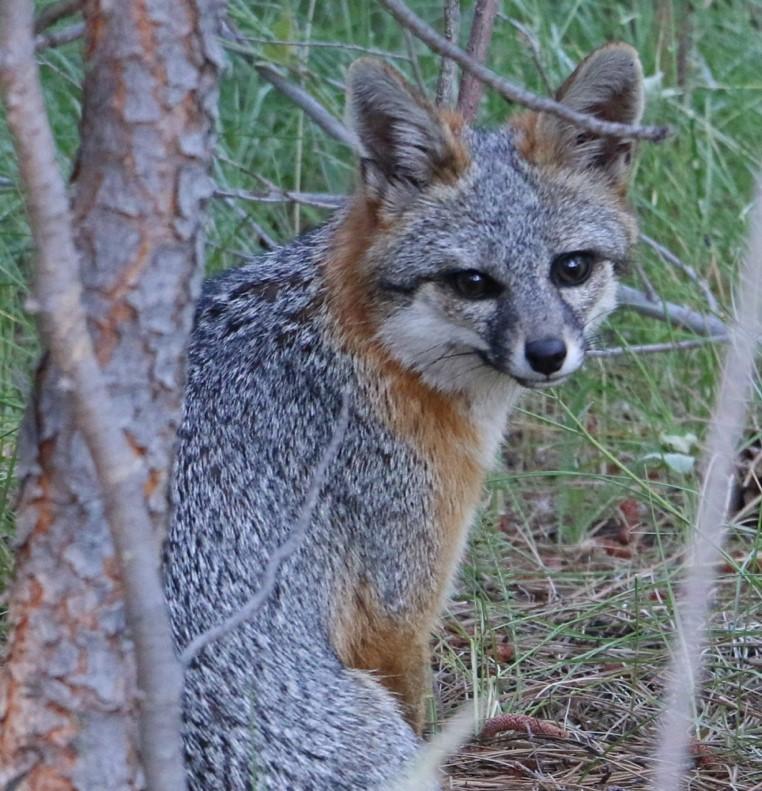
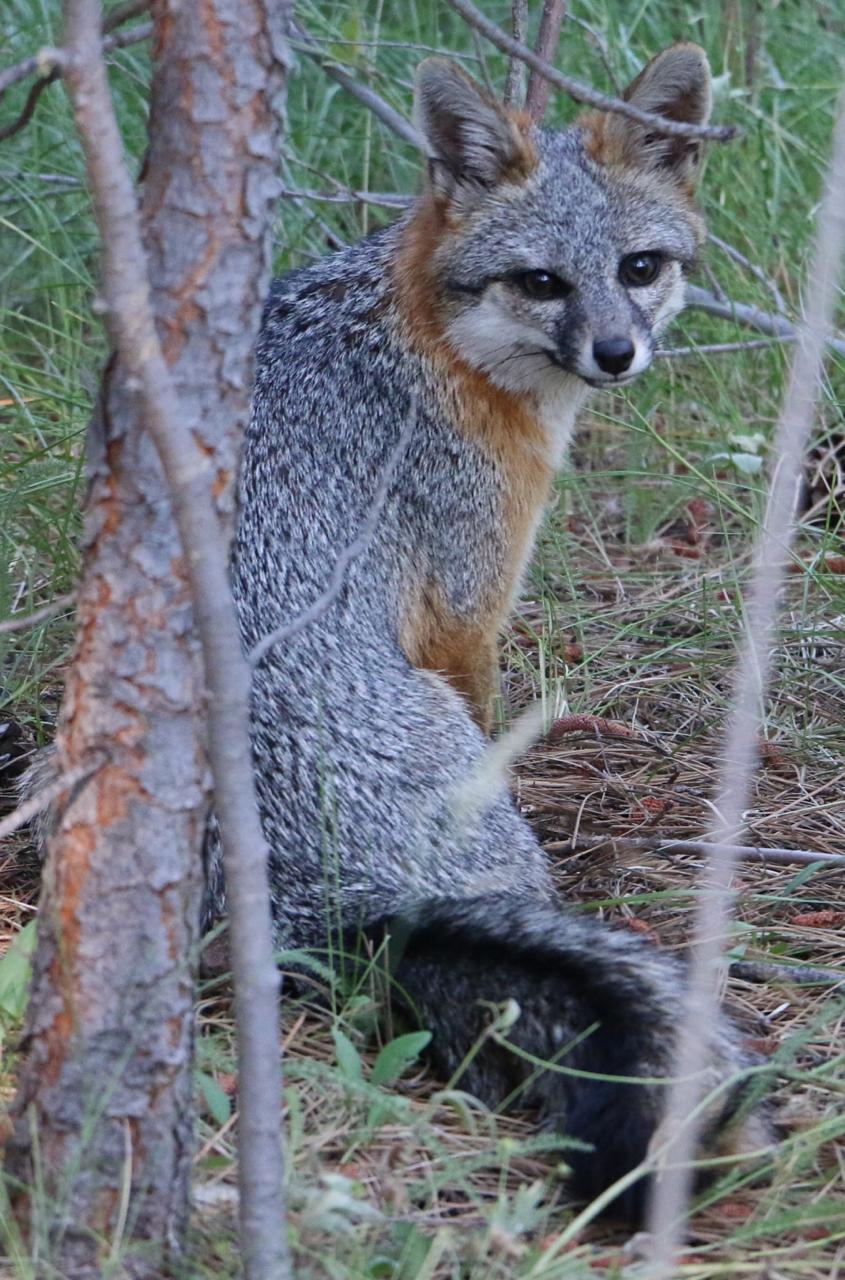 As the moon rises a Gray Fox barks. Her voice reverberates across a small field of Coyote Brush and grass. Another Gray Fox responds in the distance. Their voices carry over the chorus of crickets. Owls sing as the night settles in. The two Gray Foxes call to one another from the shadows, and listen…
Ear to the Wild: Marsh Wrens at Kennedy Park in Napa
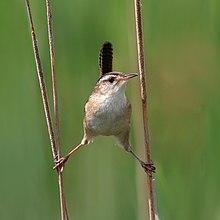 Marsh Wrens are about the size of a sparrow. They’re a rusty-brown color, with black and white markings that resemble eyebrows. These were recorded at Kennedy Park, in Napa. Listen carefully and you’ll hear a quick couple of “chuck” sounds, followed by the Marsh Wren’s “rapid fire” song.
NORCAL TV 24/7 LIVE STREAM

What's on Tonight!
Northern California
Public Media
Newsletter
Get the latest updates on programs and events.
